
komrem baptist churches association – krbca
HOW CHRISTIANITY BEGAN AMONG THE KOM COMMUNITY
On February 6, 1894, a foreign missionary, Rev. William Pettigrew, arrived in Manipur. For the first time, Pettigrew Lower Primary School was founded at Moirangkhom, where 80 students, including (L) Pu Teba Karong from the Kom community, received education. However, the king of Manipur and his people decided to send Rev. William Pettigrew back after six months. He then requested the chief of Sanvon, Churachandpur District, to establish a school at Sanvon, but the chief declined. Pettigrew further went to Senapati district and made a similar request to the chief of Mao Songsong Village, Pu Sani Kopani, but was also denied. The main reason for these rejections was the fear of the Christian religion.
CURRENT STAFFS

Rev. L. Solomon Kom
Executive Secretary
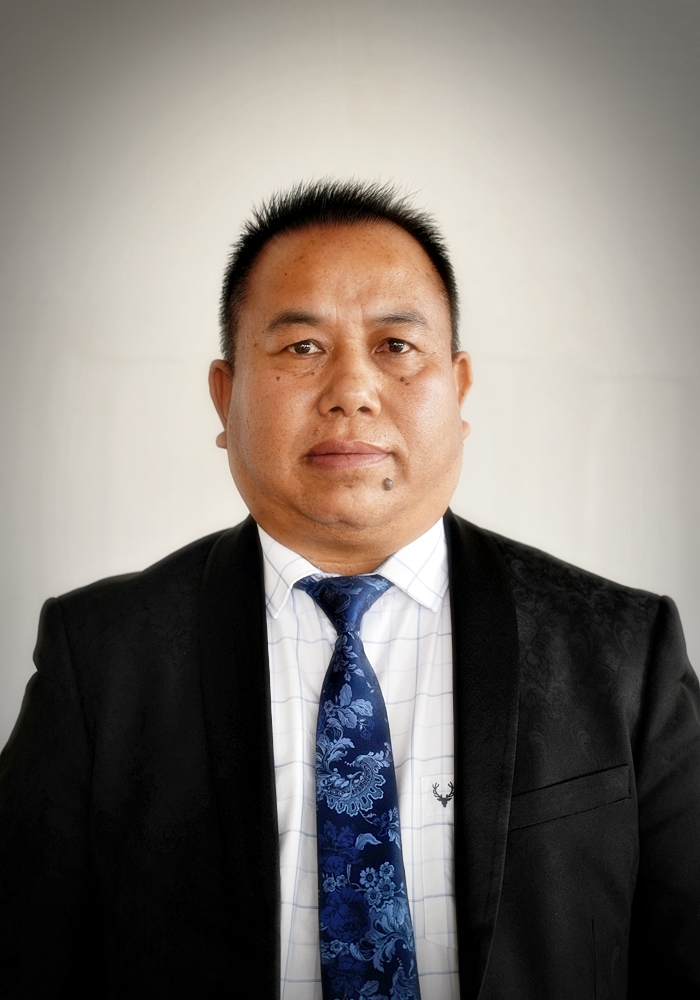

S. Neilenkhup Kom
Finance Secretary
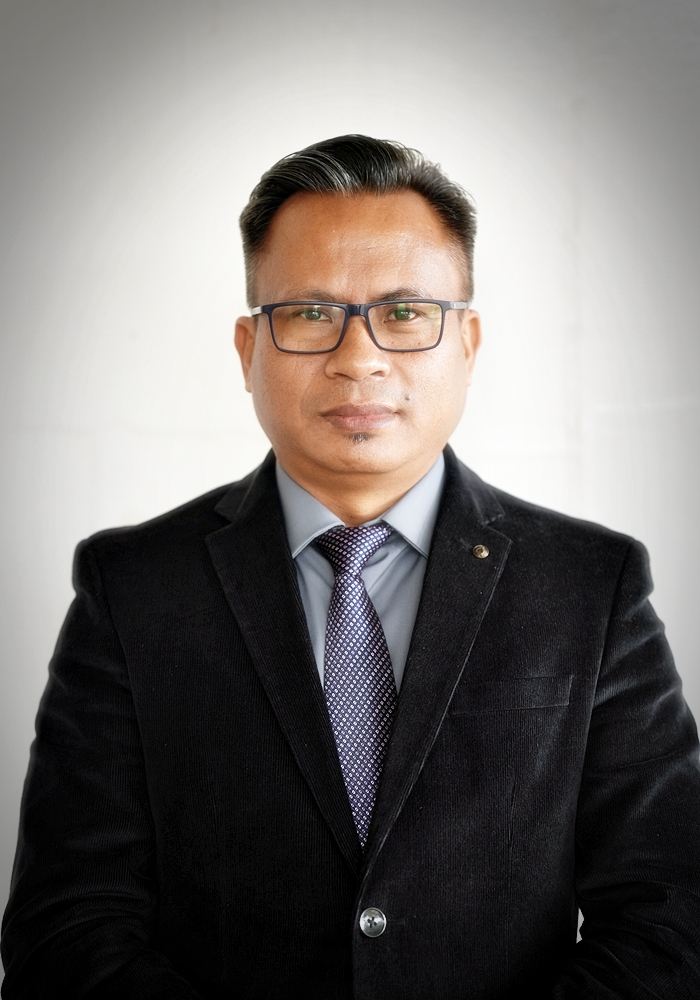

Rev. L. Yanglerthang Kom
Mission Secretary
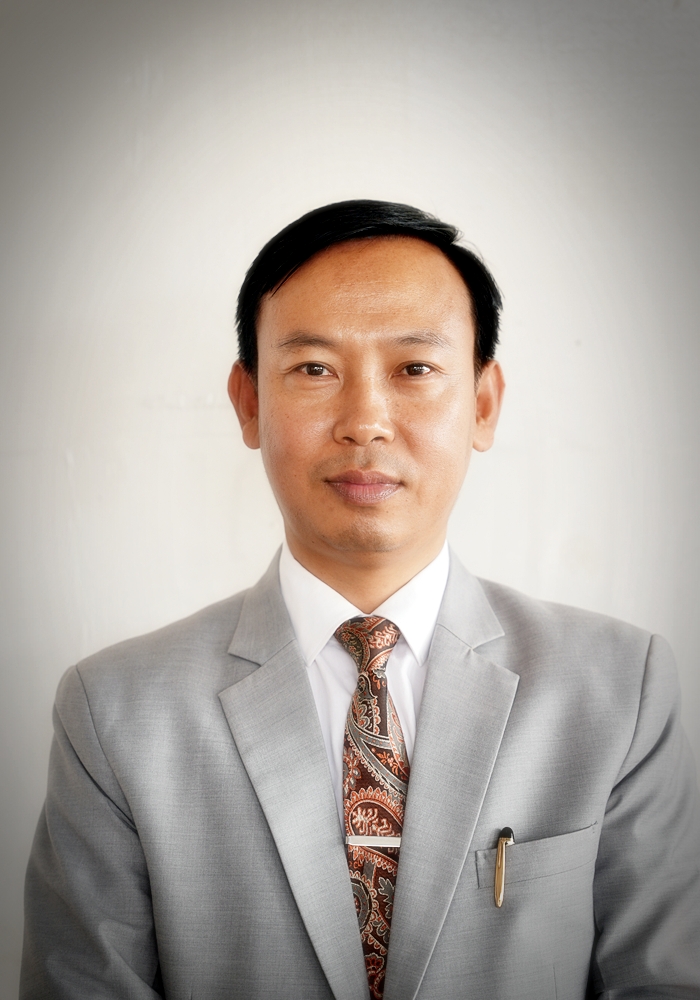
Roselyn Serto
Women Secretary
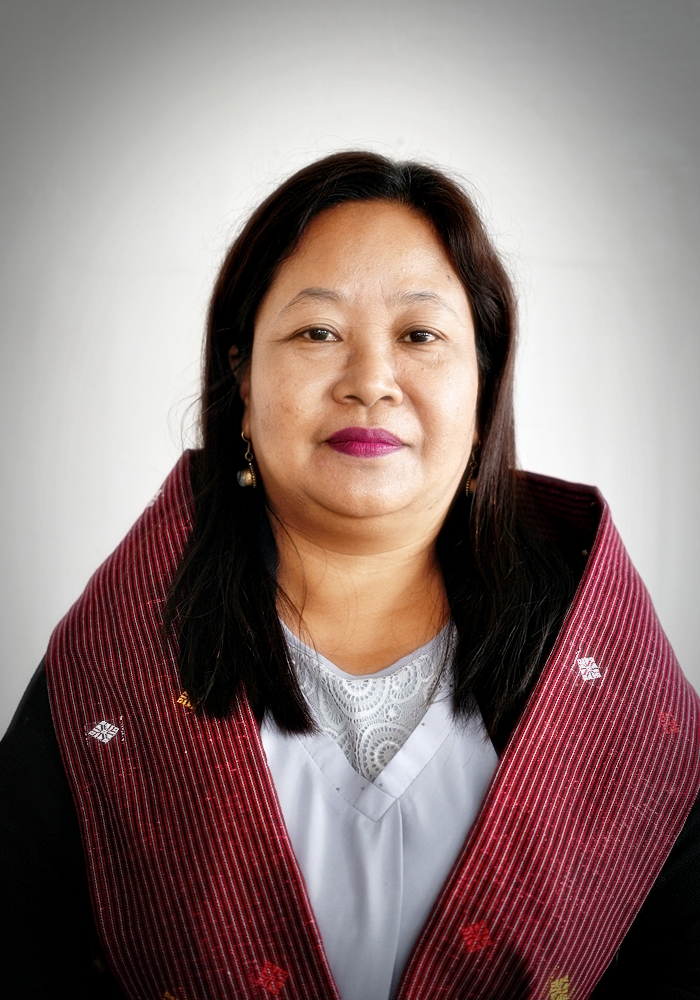
M. Chungrengkhup Kom
Youth Secretary
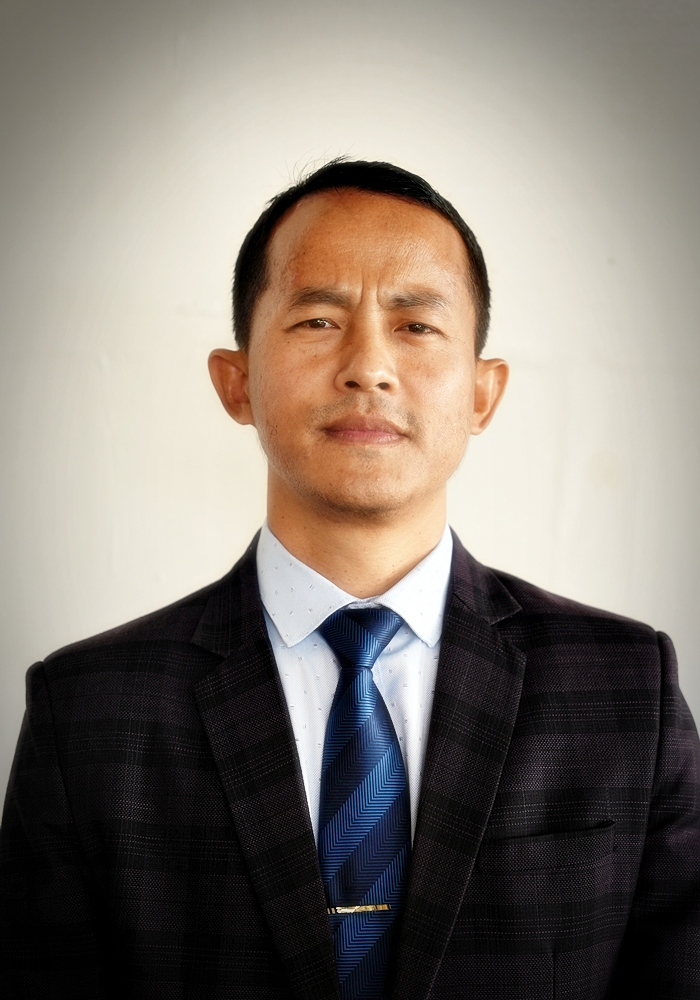
S. Ngirneihoi Kom
Accountant

PS. Parchunglen Chiru
Office Assistant
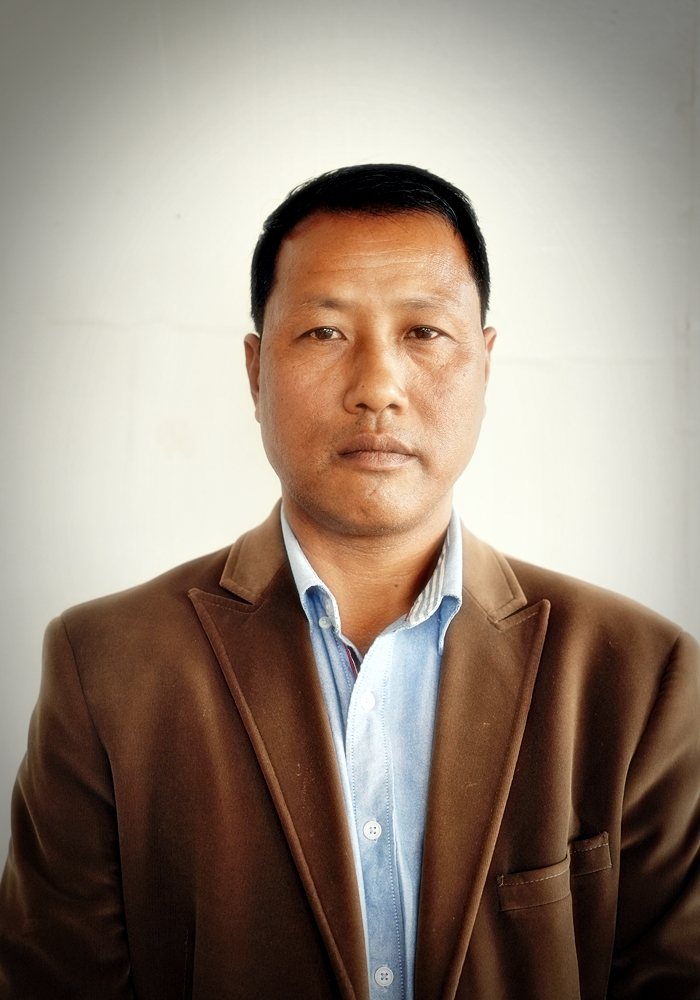
S. Thangneiril (Yaima) Kom
Driver
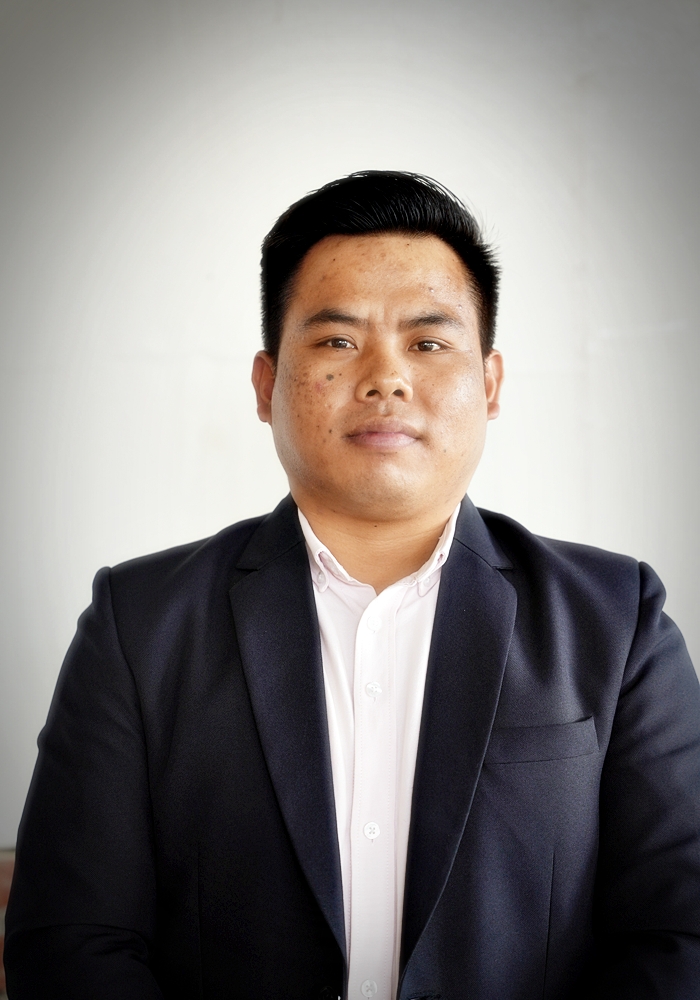
Serto Albertson Kom
Driver
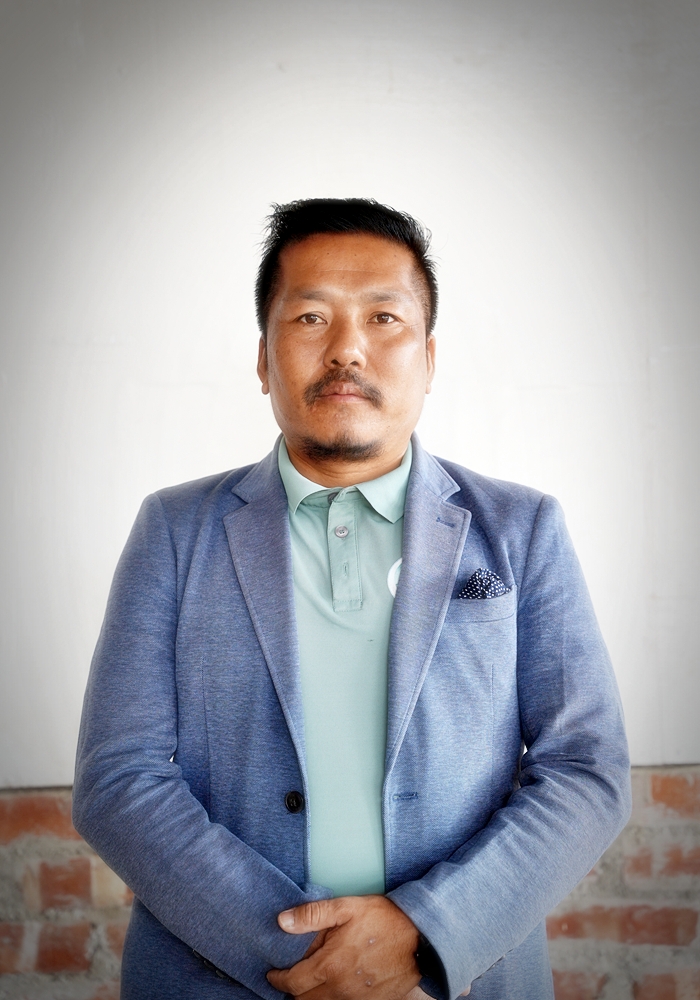
Serto Tepa Kom
Driver
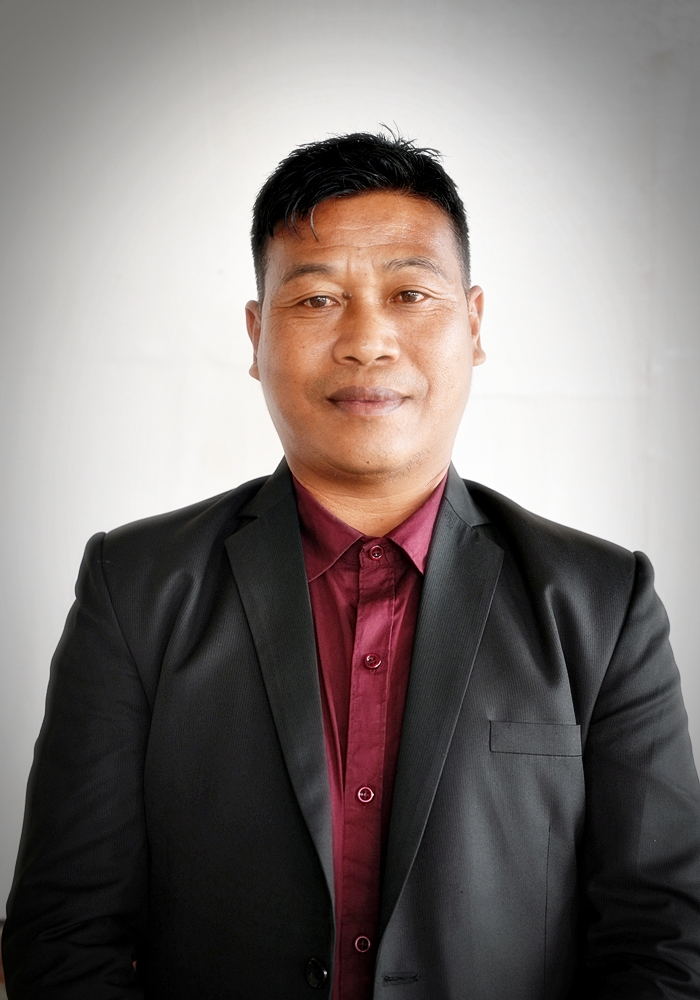
Serto Sanapa Kom
Caretaker
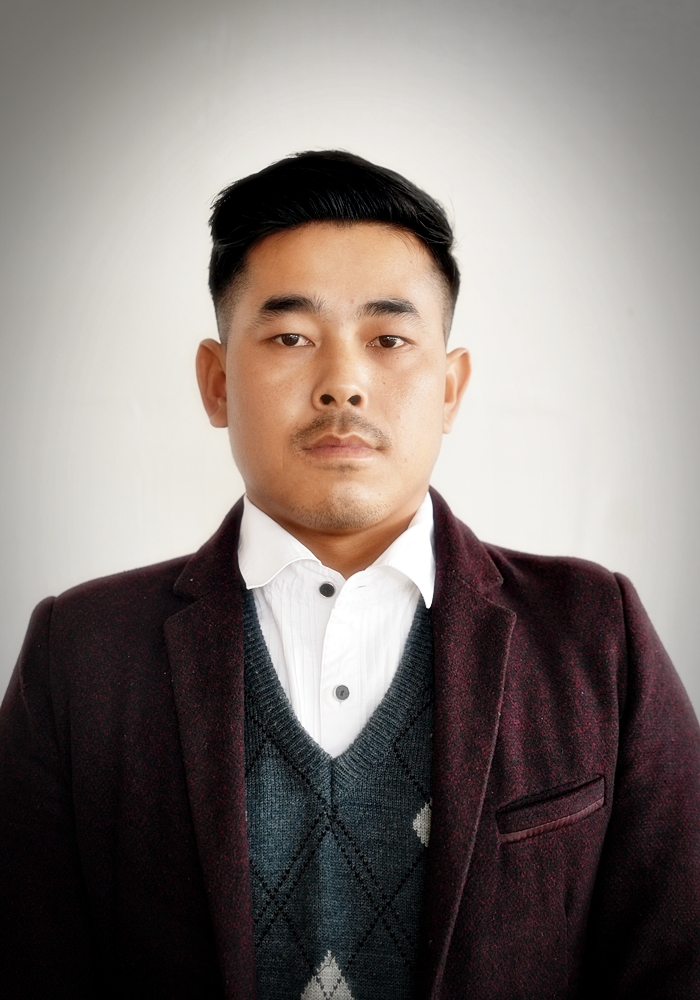
A BRIEF HISTORY
1. HOW CHRISTIANITY BEGAN AMONG THE KOM COMMUNITY? (please click here)
On February 6, 1894, a foreign missionary, Rev. William Pettigrew, arrived in Manipur. Fxor the first time, Pettigrew Lower Primary School was founded at Moirangkhom, where 80 students, including (L) Pu Teba Karong from the Kom community, received education. However, the king of Manipur and his people decided to send Rev. William Pettigrew back after six months. He then requested the chief of Sanvon, Churachandpur District, to establish a school at Sanvon, but the chief declined. Pettigrew further went to Senapati district and made a similar request to the chief of Mao Songsong Village, Pu Sani Kopani, but was also denied. The main reason for these rejections was the fear of the Christian religion.
When Rev. William Pettigrew was unsure what to do, the then Political Agent, Mr. Major Maxwell, commanded him to go to Ukhrul. Upon arrival, he established a mission school, but initially, there were no students. Mr. Major Maxwell met the parents in Ukhrul and persuaded them to send their children to school, warning that otherwise, they would face consequences. Soon, around 20 students, including Pu Teba Karong and Pu Longkhobel Karong from the Kom community, began attending the school. They were baptized by Rev. William Pettigrew and became the first Christians among the Kom community.
Under the Manipur Baptist Convention, the Komrem Baptist Churches Association (KRBCA) was established on April 7, 1957, with 13 churches and 900 members. The Golden Jubilee of KRBCA was celebrated from January 19th to 22nd, 2007, at the KRBCA Secretariat, Tarung, Lamphelpat, Imphal West.”
2. THE FIRST CHRISTIANS AMONG THE KOMREM PEOPLE
Rev. William Pettigrew arrived in India in the 19th century, sent by the Arthington Aborigines Mission. West Bengal was the first place he stepped foot in when he came to India in 1890. The following year, in 1891, Manipur came under British rule. Three years later, Rev. William Pettigrew reached Imphal on February 6, 1894. Upon arrival, he wanted to start mission work, but the government restricted him. He established a mission school at Moirangkhom, Imphal, with the primary goal of sharing the gospel with students. The first Christian in Manipur was Mr. Angom Porom Singh, who was baptized by Rev. William Pettigrew in 1896. However, Singh faced persecution from Hindus who feared he wouldconvert them to Christianity. As Rev. Pettigrew couldn’t stay in Imphal, he went to Ukhrul and established another mission school.
Meanwhile, Pu Choison, the elder brother of Pu Teba Karong, mostly stayed in Imphal as the head Lambu. After their parents’ demise, he sent his brother and nephew, Pu Teba Karong and Pu Longkhobel Karong, to Pettigrew’s school in Moirangkhom. Later, when the school shifted to Ukhrul, they continued their studies there. Rev. Pettigrew cared for them like his own children.
According to the autobiography of Teba K. Christian, penned by Pu Angom Porom Singh and Pu Teba Karong, Rev. William Pettigrew delivered a message on Matthew 6:33 one Sunday, which led Pu Teba Karong to accept Jesus Christ as his Savior and Lord in 1907. Pu Teba Karong would often light candles for Rev. Pettigrew on Fridays and eventually asked to be baptized. However, Rev. Pettigrew refused without the consent of Pu Choison Karong. With Pu Choison’s approval, Pu Teba Karong was baptized in the name of the Father, Son, and Holy Spirit in 1908.
There are different accounts about the first Christians among the Komrem people. According to Yengkhom Indira, editor of “Yening” Manipur Sahitya Samiti Thoubal, Pu Teba Karong was the first Christian among the tribals in Manipur, baptized by William Pettigrew in 1908 at Ukhrul. However, another account suggests that Pu Teba Karong and Pu Longkhobel Karong were part of the third batch baptized by Rev. Pettigrew. Regardless, both Pu Teba Karong and Pu Longkhobel Karong were baptized in 1908 by Rev. William Pettigrew at Ukhrul, marking a significant milestone in the history of the Komrem people.
3. LIFE BEFORE CHRISTIANITY AMONG THE KOMREM PEOPLE
Before Rev. William Pettigrew shared the gospel in Manipur, the Komrem people were pagans. They believed in worldly gods and worshipped idols from time to time. They believed
these idols could save them when they were lost, heal them when they were sick, and free them when they were in pain. To please these idols, they performed rituals and made sacrifices by shedding the blood of animals. Additionally, witchcraft was very common during those days, and it was practiced in almost every house. It is said that occultists and wizards led the people and lived life to the fullest.
At such a dreadful time, Pu. Teba Karong and Pu Longkhobel Karong accepted Jesus Christ as their personal Lord and Savior. Today, because of such leaders in our community, we, the children, grandchildren, and the Komrem community as a whole, are able to celebrate 110 years of Christianity, as of 2011. We deeply acknowledge and appreciate the leadership and ministry of Pu. Teba Karong and Pu. Longkhobel Karong for their spirit in working for the extension of His kingdom. Glory be to God in the highest!
4. HOW CHURCHES WERE FORMED AMONG THE KOMREM COMMUNITY
The moment Rev. William Pettigrew shared the gospel in the state of Manipur, it spread to all four corners of the state among different tribes and communities. It has been witnessed that the seeds sown by Pu. Teba Karong and Pu. Longkhobel Karong began to sprout, and they are recognized as pioneers in the field of Christianity and evangelism in Manipur. Among the 12 best students of Pettigrew School, Pu. Teba Karong and Pu. Longkhobel Karong were considered the finest and most exemplary.
After completing their course, Pettigrew sent his senior students to their respective villages for evangelism, church planting, and discipleship. In 1913, Pu. Teba Karong and Pu. Longkhobel Karong began their journey as missionaries in their own respective places. Pu. Longkhobel Karong started a mission school at Langkhol (Songphel Khollen) and later went to his village, Makokching, for church planting. Similarly, Pu. Teba Karong went to his village, Senpangjar, for church planting.
In 1915, Pu. Teba Karong was sent to his village, Senpangjar, by Rev. William Pettigrew. In the same year, under Pu. Teba Karong’s leadership, the Senpangjar Baptist Church was established, which is the first church among the Komrem community. The members present at the church’s establishment in Senpangjar are listed below: 1.Pu. Teba karong 2.Songkholal (Songkholer Karong) 3. Sonjakhup Telen 4. Seijathang Karong 5. Choithang Hmangte 6. Songcheikhup Hmangte 7. Thangkeng 8. Rechei Serto 9. Konleo Karong 10. Chungpu Leivon 11. Phaknu Serto 12. Singkhopao 13. Douthang Hmangte 14. Douhlun Hmangte 15. Langjasei 16. Thangsuthmang 17. Hmangchoinei 18. Jamneng 19.
Hmunthlukip 20. Lunnu 21. Khupjang 22. Lhamsochong 23. Sainu 24. Saithatnei 25. Dumpi
After three years of establishing the mission school at Lamkhong (Songpher Khollen), Pu. Longkhobel Karong returned to his village, Makokching. In 1917, under the leadership of Pu. Longkhobel Karong and Simkhopao, the second church of the Komrem people was established at Makokching. As the Senpangjar and Makokching churches began to receive Jesus Christ, it soon spread to other Komrem villages. Additionally, a revival occurred at Makokching, marking the first time in Manipur.
The establishment of the mission school by Pu. Longkhobel Karong at Langkhong (Songpher Khollen) prompted other villages to spread the gospel, and a great revival was witnessed in Makokching. Some brothers in Christ shared the gospel at Songpher (Uibuk), and the people of Songpher began to accept Jesus Christ as their personal Savior and Lord. Under the leadership of Pu. Lungkhohen Leivon, the third church for the Komrem people, “Songpher Church,” was established at Songpher.
In this way, the seeds planted by Pu. Teba Karong and Pu. Longkhobel Karong began to sprout, and the gospel spread throughout the Komrem villages. Churches began to be established in all the Komrem villages.
The perseverance and faith of Pu. Teba Karong and Pu. Longkhobel Karong have not only made it possible to spread the good news among the Komrem community but have also established Komrem churches, which are as follows:
1.Aimol Chingnunghut 2. Aimol Khunjai 3. Aimol Satu 4. Bethel 5.Bungloshi 6. Bungte Khullen 7. Cananphai 8. Chandonpokpi 9. Chinglangmei 10. Charoikhulen 11. Dolang 12. Ekouphai 13. Harmontlang 14. Hlungkot 15. Ichum Keirap 16. Kangathei 17. Khoirentak khuman 18. Kharam Thadoi 19. Kha Aimol 20. Khoirok 21. Khonomphai 22. Kangchup Chiru 23. Khongnangpokpi 24. Khoirentak Khunou 25. K.R.Lane 26. Khonomphai 27. Khodengthabi 28. Khullen Aimol 29.KRBCA Centre church 30. Kumbirei Aimol 31. Laikot 32. Laikot Phaizol 33. Lairamwangma 34. Lalumbung 35. Lower Keirap 36. Litan 37.Lairok 38. Lamdangmei 39. Langseiphai 40. Louchulbung Aimol 41.Lower Bungte 42.Lukhumbi 43.Lungkot 44.Maibung Kom 45.Maibunglikli 46. Malamphai 47.Mahoutera.48.Makokching 49. Mantak(K) 50. Moirang Mantak 51. Mongnaphai 52. Ngakhapat 53. Ngairong 54. Nungsai Chiru 55. Palace Gate Home church 56. Phunchongjang 57. Purumkhullen 58. Purumlikli 59. Sadu Koireng 60. Sagang 61. Sadu Chiru 62. Sagang Khunou 63. Saikul 64. Samulamlan 65. Sangserphai 66.
Senpangjar 67. Songpher 68. Tampak Aimol 69. Tepui 70. Teraphai 71. Thampilen 72. Thangjing Chiru 73. Theikhakbi 74. Thayong 75. Tuisenphai 76. Tonsen 77. Tuiringphaisen
78. Tonsen Tampak 79. Unapal Aimol 80. Upper Keirap 81. Uran Chiru 82. Utonglok 83. Waithou Chiru 84. Jangthingphai 85. Chandonpokpi.
Some of the churches and members in our association have become self-sufficient. In 2010, three Aimol churches were blessed by the Komrem Baptist Churches Association to form their own association. Furthermore, in 2011, eleven Chiru churches were blessed by the Komrem Baptist Churches Association to form their own association. Additionally, two Koireng churches and two Kharam churches were blessed during the 110th-year celebration of the Komrem Baptist Churches Association to form their own associations.
When Rev. William Pettigrew arrived in Manipur, the first mission schools established were:
a) Singjamei (1894-95)
b) Ukhrul (1896-97)
c) Langkhong (1913-15)
d) Kangpokpi Mission School, Bible School, and Hospital (1919-1920)
In 1922-23, a spiritual awakening occurred at Makokching and Tongkoi churches. During this time, KR youth pursuing their studies, Bible trainees, and newly converted Christians lived together. This was also a period of peace and tranquility in Manipur, following the end of World War I (1915-18) and the Kuki Rebellion (1917-19).
5. THE MEANING OF KOMREM
The word “Komrem” refers to people living in the hills, sharing a similar culture, language, and food. When we say “Komrem,” we must not confuse it with other tribes, as the tribes included in Komrem share the same traditional clothes, food, culture, and folk stories. Although the Komrem people are scattered across Manipur, our language has begun to differ over time. However, our folk stories, songs, culture, and traditions have bound us together as one, despite our geographical dispersion.
Based on geographical topography, Komrem people can be found settling in the north, east, west, and south of Manipur. In the olden days, despite living far apart, Komrem people would show love and care when they met in person. One distinct characteristic of the Komrem people is that when someone from the Komrem community visits another Komrem village, the villagers would ask the guest to narrate their origin and culture. After the guest shares their story, they would be welcomed and understood as one of their own. They would greet each other with warm hugs and sometimes even cry together.
This type of gathering often occurred among the Komrem people, and the Chiru, Koireng, Purum, Aimol, and Kom would often have get-togethers where they would meet and converse. Although we are one people, geographical topography and poor road conditions have made it difficult to unite as one tribe. However, the good thing is that we are free to explore and travel wherever we want. Some of our youth have taken advantage of this freedom to explore Christian villages, and that’s how they have come to know one another.
According to the biography of the late Pu. L. Lokpa, Kangathei, who was the chief of Kangathei at the time, Pu. Lokpa was a little older than Pu. K. Teba and Pu. K. Longkhobel, but they were close friends and preached the gospel together at Langkhong, Songphel, and Sagang. In 1925-27, the two Komrem villages, Senpangjar and Makokching, being the first Christian villages, became significant meeting points for the youth. In 1927, under the leadership of Pu. Teba Karong, a meeting was held with members including Pu. L. Lokpa, Pu. K. Longkhobel, Pu. L. Lungkhohen, and Pu. Thangtong. The main agenda was to unite the Kom, Aimol, and Chiru and organize events like student conferences together, but unfortunately, it couldn’t be implemented.
In 1930-31, another meeting was held at Makokching Baptist Church, where the KR Hymnal was released. The hymnal contained around 50-100 songs, which were composed under the leadership of Pu. Teba Karong and Pu. Lungkhohen, along with a few youth from Songphel and Makokching.
In 1931, the “Kom Student” organization was formed under the leadership of Pu. L. Lerthettong, who was the treasurer, along with Pi. Ngakkokim, Pu. S. Leopu, Pu. T. Songjalun
from Songphel, and a few other youths.
In 1942, a meeting was held at Mahao Tera to form the KR Association, attended by members including Pu. L. Paojahen, Pu. M. Tampha, Tonsen, Pu. L. Akhup Kangathei, Pu. S. Tangpu, Lower Khoirentak, and Pu. L. Henneichung. The meeting was later held at Lukhumbi and again in 1946 at Kha Aimol, where the same members were present along with Pu. K. Sonkhosei, Pu. E. Leivon, Pu. W. Rangkaikhup, and Pu. Songpate.
After discussions, it was decided to name the organization “Komrem” instead of “Kom,” as suggested by the Chiru and Aimol members. In 1947, under the leadership of Pu. S. Sumkholen and Pu. L. Heneichung, a meeting was held at Lower Keirap Baptist Church to discuss the “Student Conference,” but no resolution was made. However, the Komrem Literature Committee was formed the same year.
In 1947, the leaders had a vigorous discussion about forming the Komrem Association. The first Student Conference was held in 1949, and Pu. Sonkhosei Karong was elected the leader. Since then, the leaders have gone from village to village, organizing football tournaments among the Komrem people, including Kom, Koireng, Aimol, and Chiru. That’s how the journey began in forming the Komrem Association.
Between 1947 and 1952, when the Manipur Government was under the Territorial Council, it was not permitted to gather in groups of 100-200 people. At that time, there were no highly educated individuals among the Komrem community. Despite these challenges, organizing the Kom Student Conference was a pressing need, which led to the formation of the Kom Student Organization. The students who played a key role in forming this organization are as follows:
1. L. Mangkholen – Kangpokpi Bazar
2. (L) Rev. S. Sumkholen – Student’s Leader
3. M. Lenkhomang – Chief of Harmontlang
4. (L). M. Tampha – Tonsen Village
5. (L). K. Babu -Lower Khoirentak
6. M. Ruineireng – Chandonpokpi Village
7. Mr. K. Paso – Tampak Village
8. Mr. Bungneithoi – Toljang Village
9. (L) Leipakngam Karong – Senpangjar village
10. Pu. Khupson Telen – Tusam Village
11. T.D Bungneithoi – Dolang Village
12. Rev K. Sonkhothang – Songphel(Ichum) Village
13. L. Ngamkholer – Phaijang Village
After the formation of the student organization, its name was changed to Komrem Literature Association (KRLA) to upgrade Komrem literature. To achieve this, Kom books were released for the first time, and Mr. Pu. M. Tampha from Tonsen generously donated Rs. 500 for printing the book.
Under the leadership of the Komrem Student Organization and Komrem Literature Association, games and sports were held along with the sharing of God’s Word. In January 1952, a three-day student conference was held at Saikul Baptist Church, attended by around 200 delegates from Songphel, Lower Khoirentak, Lamdangmei, and Kangathei. The sports events included football, ring toss, shot put, and athletics. The football final match was played between Lower Khoirentak and Songphel, with Songphel winning the cup.
The second day of the conference focused on the theme “Kom Association” and “Komrem Association.” Mr. (L) K. Sompa and (L) Rengtheisong from Lamdangmei suggested that if the association was named Komrem and each household contributed Rs. 1000, the association’s name would never be dissolved.
In the end, the elders and student representatives came to an agreement, saying, ‘We shall unite together under this name until death separates us.’ The elders who were present at the student conference are as follows:
1. (L) M. Sonkhopao -Saikul
2. (L) M.S. Sompa – Lamdangmei
3. (L) Rengtheisong – Lamdangmei
4. (L) T. Mongpu – Songphel
5. (L) L. Thenpu – Saikul
6. (L) K. Sopu – Lower Khoirentak
7. Mr. K. Sonchung – Saikul
Each year, the churches among the Komrem tribe began to grow, and the number of Baptist members multiplied tremendously. Although the organization was renamed from Student Organization to Literature Association, its main theme remained the same: for the tribes under the Komrem Association to be one in speech and faith, to work together, and to unite for His glory.
To establish this organization as a full-time endeavor, another meeting was held in 1954, where Pu. K. Sonkhosei was elected as President and Pu. K. Sompa as Secretary. The agenda of this meeting was to find full-time workers to ensure the smooth operation of the organization. However, no ordinance was established regarding the workers’ roles.
In 1955, another meeting of the Komrem Association was held at Mahao Tera, where Pu. Sonkhosei was the President, and Pu. Tlingpu Karong was elected as the first Field Evangelist. He began association work for the first time. For some time, the Komrem Association was unable to connect with the Manipur Baptist Convention (MBC) or the Council of Baptist Churches in North East India (CBCNEI), as Christian associations in Manipur were divided into East, West, North, and South. However, over time, the association grew from 1 to 7, and thankfully, the Komrem Association became known as Association 7.
In 1956, the five closely related ethnic groups in Manipur – Aimol, Chiru, Koireng, Kom, and Purum – united and resolved to rename their organization the “Komrem Baptist Churches
Association” (KRBCA). The following leaders were chosen to work together as one:
1. Rev. K. Sonkhosei – President
2. (L) Pu. K. Sompa – Secretary
3. (L) Rev. S. Thadai – Evangelist
4. (L) L. Rengtheisong – Member
5. (L) Pu. L. Akhup – Member
6. Pu. L. Ringlersong – Treasurer
From 1957, our organization was christened the ‘Komrem Baptist Churches Association’ (KRBCA), formed by 13 Komrem Baptist churches with 900 church members. On April 7, 1957, the Manipur Baptist Convention (MBC) and the Council of Baptist Churches in North East India (CBCNEI) in Guwahati, Assam, recognized KRBCA. This council is affiliated with the Board of International Ministries, American Baptist Churches, Valley Forge, P.A., USA.
The first headquarters of KRBCA was located at Nungsai Chiru. By God’s grace, by 2007, the year of KRBCA’s golden jubilee, we had grown to 86 churches with 13,500 Christian members. The motto of our organization is to foster unity and fellowship among its people. Our objectives are:
– Unity and Fellowship: To come together annually and promote unity among our members.
– Spreading the Gospel: To share the Gospel with our people and other tribes.
– Organizational Growth: To appoint administrative staff at the headquarters to manage organizational work and empower our people to make a positive impact in society.
Over time, the leadership structure of KRBCA has evolved to include the roles of President, Field Director, and Executive Secretary. Below is a list of Executive Secretaries serving since 1956:
1. Pu. (L) Rev. Sonkhosei Karong – 1956-1957
2. Pu. (L) Rev. Sumkholen Serto – 1958
3. Pu. (L) Rev. Thadai Serto – 1958
4. Pu. (L) Rev. Sonkhosei Karong – 1962-1965
5. Pu. (L) Rev. Daniel Karong -1966- 1972
6. Pu. (L) Rev. Chengpu Leivon -1973-1976
7. Pu. (L) Rev. Romeo Serto -1977
8. Pu. (L) Rev. Sonkhosei Karong -1978- 1979
9. Pu. (L) Rev. Romeo Serto -1980-1983
10. Pu. (L) Rev. Sonkhosei Karong -1984-1991
11. Pu. (L) Rev. T.Shiekshel(Acting) -1992
12. Pu. (L) Rev. Sumkholen Serto – 1993-1999
13. Pu. (L) Rev. T. Shiekshel – 1999-2002
14. Pu. Rev. Asong Leivon – 2003-2012
15. Pu. Rev. Khupneilen Telien – 2013-2016
16. Pu. Rev. L. Solomon Kom -2017-till date
The names of the Association Assembly President are as follows:
NAMES ADRESS
1.Pu(L) Rev. Sonkhosei Karong – Saikul/Loktak Project
2.Pu(L) John karong – Saikul
3. Pu(L)Thadai Serto -Nungsai
4. Pu(L)Mangkholen -Songpher
5. Pu(L) Rev. Rengneisek -Kangchup
6.Pu Ephraimn Leivon – Kangathei
7.Pu(L) Pakhup – Purumlikli
8. Pu R. Daneivan – Lamdangmei
9. Pu. K.S. Panthonvan – Dolang
10.Pu. D.Thangpum – Bethel
11.Pu. Rearchung Serto -Khoirentak Khunou
12.Pu. M.S. Thoiba – Lamdangmei
13. Pu. Seikhohao Karong -Saikul
14. Pu. Rev. Asong Leivon -Nungthang Tampak
15.Pu. Mangsemchung Telien -Lower Keirap
16. Pu. Chepu Leivon(2 terms) – Senpangjar
17. Pu. Paohmang Telen – Makokching
18.Pu. Dr. T.R. Kom (2terms) – Lower Keirap
19. Pu. Rearchung Serto – Khoirentak Khunou
20. Rev. Wilson Telien – Khoirentak Khunou
21. Pu Stayon Serto – Mantak (K)
22. Rev. Dr. L. Bouylen – Saikul
22. Rev. Dr. Pachung Serto – Litan
6. WOMEN SOCIETY DEPARTMENT
The Women Society Department is one of the key departments in KRBCA, led by a Women Promoter and a Women Secretary. The following are the names of the Women Secretaries:
1. Pu. (L) Rev. Paojahen Leivon – 1958-1986
2. Pi. Awei Telen – 1986
3. Pi. Jahoikim Mangte – 1987
4. Pi Sanahanbi Leivon – 1993-2004
5. Pi Angela Karong – 2005-2011
6. Pi Archana Serto -2011-2020
7. Pi Roselyn Serto -2021-till date
7. YOUTH DEPARTMENT
When KRBCA was formed, the Baptist Youth Fellowship (BYF) was also established. The leadership roles for youth have evolved over time, from ‘BYF Promoter’ to ‘Youth Promoter’ and later ‘Youth Secretary’. The following are the names of the youth leaders who played a major role in the youth department:
1. Pu. Ephraim Leivon – 1958-1959(BYS Promotor)
2. Pu.(L) Nokholet Mangte -1960 BYS
3. Pu. (L). Thadai Serto -1969 Youth Promotor
4. Pu. (L) Ksh. Rengtuilen –
5. Pu.(L) T.D. Zampi – Youth Secretary
6. Pi Awei Telen – 1983 Youth
7. Pu. Y. Chungreng -1984
8. Rev. Sanglen Serto – 1996-2001
9. Rev. Joseph Mangte -2002-2005
10. Rev. Dr. Pachung Serto -2006-2016
11. Emerson Bapui – 2016-2021
12. M. Chungrengkhup -2021-till date
8. FINANCE DEPARTMENT
The Finance Department is a key department under KRBCA, responsible for managing the association’s finances. Previously known as the Promoter role, this department is currently headed by one of the Secretaries. Below are the names of the Finance Secretaries who have served in this department:
1. Pu. D. Thangpum
2. Pu. (L) Rev. T.D. Zampi
3. Pu. Kh. Rengtokung
4. Pu(L) Rev. T. Shiekshel
5. Pu. M. Mangpu Kom
6. Pu(L) Rev. Sumkholen Serto, Executive Secretary cum Finance Secretary
7. Pu.(L) L.D. Sunchonglong
8. Pu. Rev. Joseph Mangte
9. Pu. Rev. Sanglien Serto
10. Rev. Wailenthang Leivon
11. Neilenkhup Serto – till date
9. KRBCA MISSION DEPARTMENT
Prior to 2000 AD, the Mission Department did not exist as a separate entity. However, during that time, Rev. T. Shieksel, who was the Assistant Executive Secretary, also served as the Mission Secretary. The KRBCA Mission Department was formally established in 2000 AD, marking the beginning of full-fledged mission ministry. The following are the names of the Mission Secretaries of KRBCA:
1. Rev. Paoneikhup (Boipu Serto) -1999-2003
2. Rev. Paosei Serto -2004-2009
3. Pu. Lalneikam Karoung(Kampu Karoung) -2010-2017
4. Rev. L. Yanglerthang -2018- till date
10. PARTNERSHIPS WITH KRBCA MISSION AND EVANGELISM
KRBCA has established partnerships with various organizations over the years. Some notable partnerships include:
– During Rev. Boipu Serto’s tenure as Mission Secretary, KRBCA partnered with Global Mission.
– Under Rev. Paosei Serto’s leadership, KRBCA partnered with Nagaland Mission Movement (NMM), Assam Regiment Centre Church, Shillong, and Calvary Counselling Centre (CCC).
– When Kampu Karoung served as Mission Secretary, KRBCA partnered with Assam Regiment Unit Church, Lucknow, UP, and Thangkanphai Baptist Church.
– Currently, under the leadership of Rev. L. Yanglerthang, KRBCA is partnering with Seva Bharat, Mission India through CBCNEI, and Assam Regiment Centre Church, Shillong.
The Mission partnership with KRBCA till today are as follows:
1. Assam Regiment Centre Church, Shillong
2. Seva Bharat
3. Mission India
KRBCA is in partnership with the above churches, and together we have been able to carry out His ministry. Now is the time for KR churches to partner with us in extending His kingdom.
11. KRBCA EVANGELIST AND MISSIONARIES AND THEIR FIELDS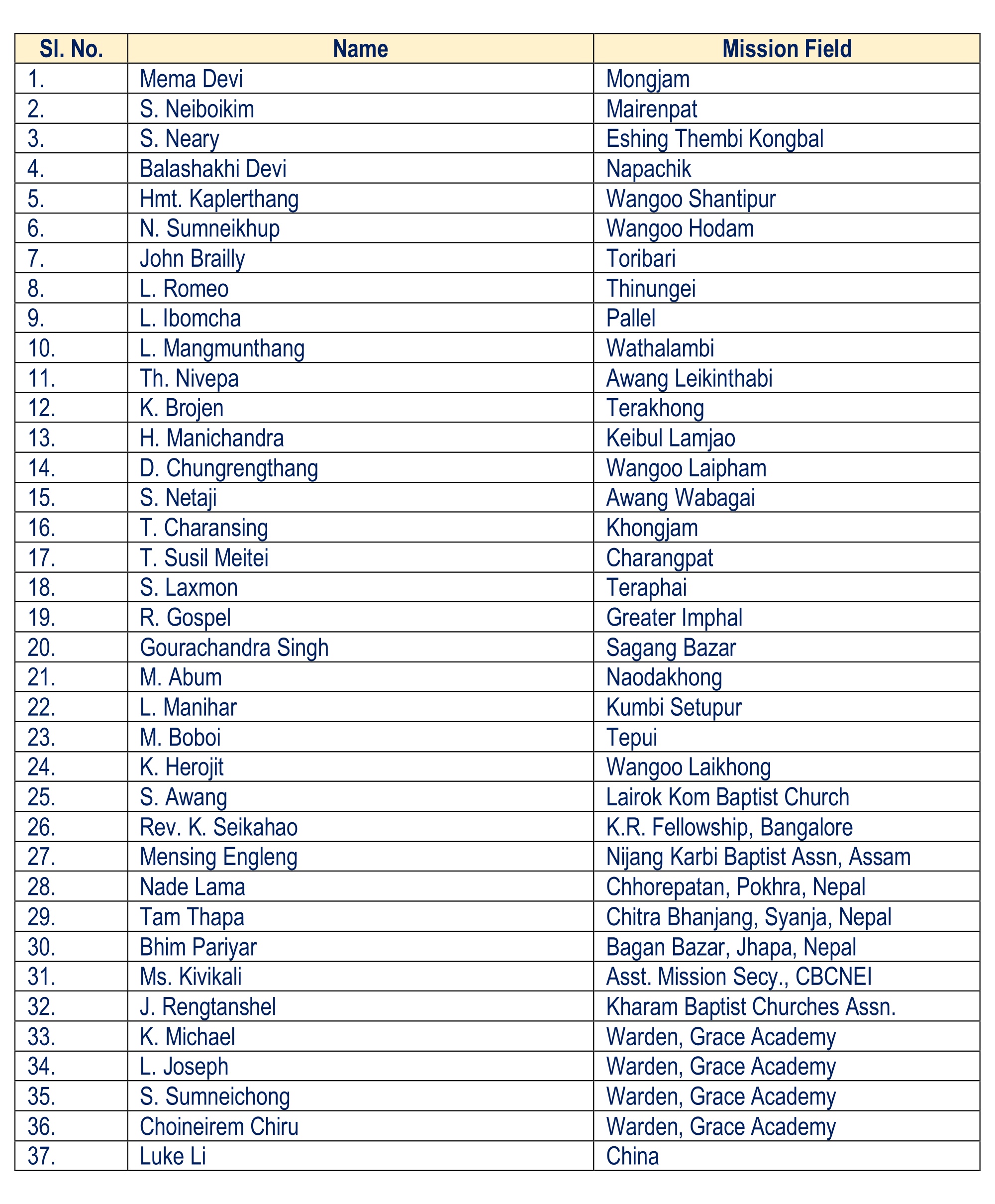
KRBCA
Komrem Baptist Churches Association
Salem Veng, Tarung
Imphal West, Manipur-795004
OFFICE HOUR
working on this
CONTACT NUMBER
+91 8413-889518